
Understanding the Increased Demand for At-Home Elderly Care
Understanding the Increased Demand for At-Home Elderly Care
In recent years, there has been a significant rise in the demand for at-home elderly care. This trend is driven by various factors, including an aging population, changing family dynamics, and the desire for personalized care. As more families explore options for their aging loved ones, understanding these factors becomes essential.
The Aging Population
The global population is aging at an unprecedented rate. According to the World Health Organization, the number of people aged 60 years and older is expected to double by 2050. This demographic shift has led to an increased need for services that cater specifically to seniors, including at-home care.
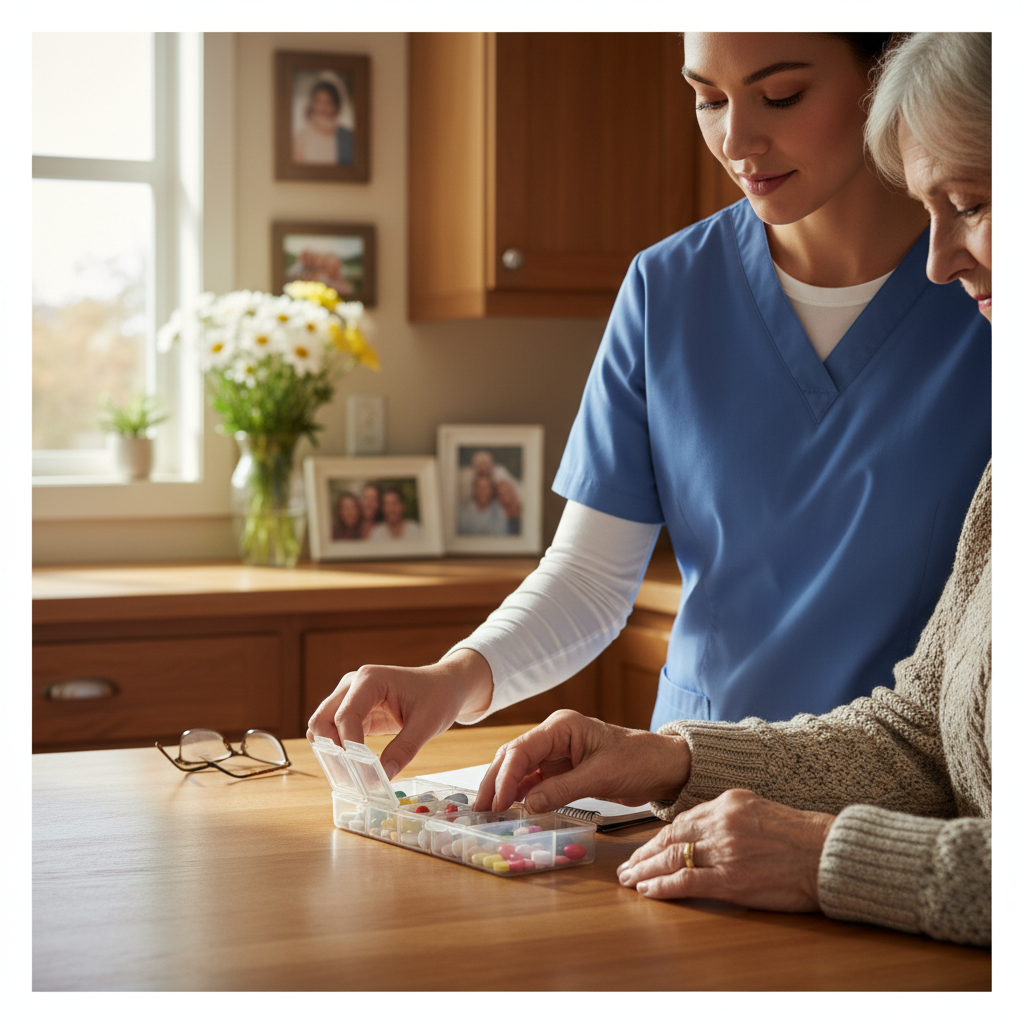
At-home elderly care allows seniors to receive the assistance they need while remaining in the comfort of their own homes. This option is often more appealing than traditional nursing homes, as it provides a sense of independence and familiarity.
Changing Family Dynamics
Family structures have evolved over the years, with more people living farther apart from their relatives. As a result, adult children may find it challenging to provide day-to-day care for their aging parents. In such cases, professional at-home care services become a practical solution.

Moreover, the demands of modern life, including work commitments and personal responsibilities, can make it difficult for family members to offer consistent care. At-home caregivers can fill this gap, providing reliable support tailored to the specific needs of elderly individuals.
Desire for Personalized Care
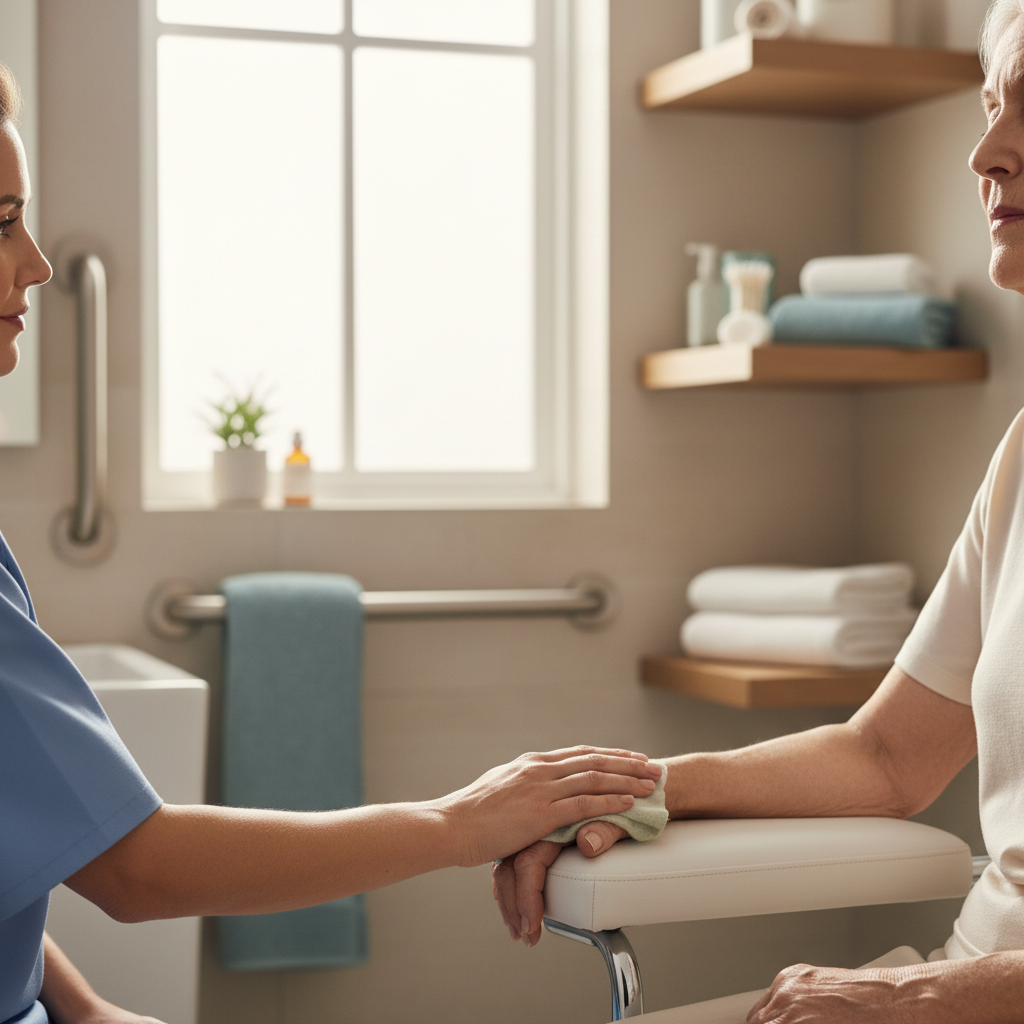
One of the primary advantages of at-home elderly care is the ability to offer personalized attention. Unlike in institutional settings, where care may be standardized, at-home care can be customized to meet the unique requirements of each individual. This personalization extends to medical care, daily activities, and emotional support.
Families appreciate this level of individualized care, as it ensures that their loved ones are treated with dignity and respect. The one-on-one interaction also fosters strong relationships between caregivers and seniors, enhancing the overall quality of life.
Technological Advancements
Technology has played a crucial role in the growth of at-home elderly care. Innovations such as telehealth services, remote monitoring, and smart home devices enable caregivers to provide efficient and effective care. These tools also empower seniors to maintain some level of independence while ensuring their safety.
For instance, wearable devices can track vital signs and alert caregivers to any unusual changes, allowing for prompt intervention when necessary. Such advancements have made at-home care a viable and attractive option for many families.
The Emotional Benefits
Beyond the practical advantages, at-home elderly care offers significant emotional benefits. Staying in a familiar environment can reduce stress and anxiety for seniors, promoting mental well-being. It also allows them to maintain social connections with neighbors and community members, reducing feelings of isolation.
Overall, the increased demand for at-home elderly care reflects a broader societal shift towards valuing quality of life and personalized attention for our aging population. As this trend continues, it is essential for families and caregivers to explore and understand the options available, ensuring that seniors receive the care and support they deserve.