
The Ultimate Guide to Post-Surgery Home Recovery Assistance
Understanding the Basics of Post-Surgery Recovery
Recovering from surgery can be a challenging journey, requiring patience, care, and support. Whether you've undergone minor or major surgery, having a structured home recovery plan is crucial to ensure a smooth transition back to daily life. This guide will provide essential insights and tips to aid in your post-surgery recovery at home.
Creating a Comfortable Recovery Environment
Setting up a comfortable and safe environment is the first step in your recovery process. Ensure that your living space is clean, clutter-free, and easily accessible. Arrange for comfortable seating and sleeping options, and keep essential items within reach to avoid unnecessary movements.
Installing grab bars in bathrooms and using mobility aids, if necessary, can greatly reduce the risk of falls and enhance your independence during recovery.
Essential Supplies for Home Recovery
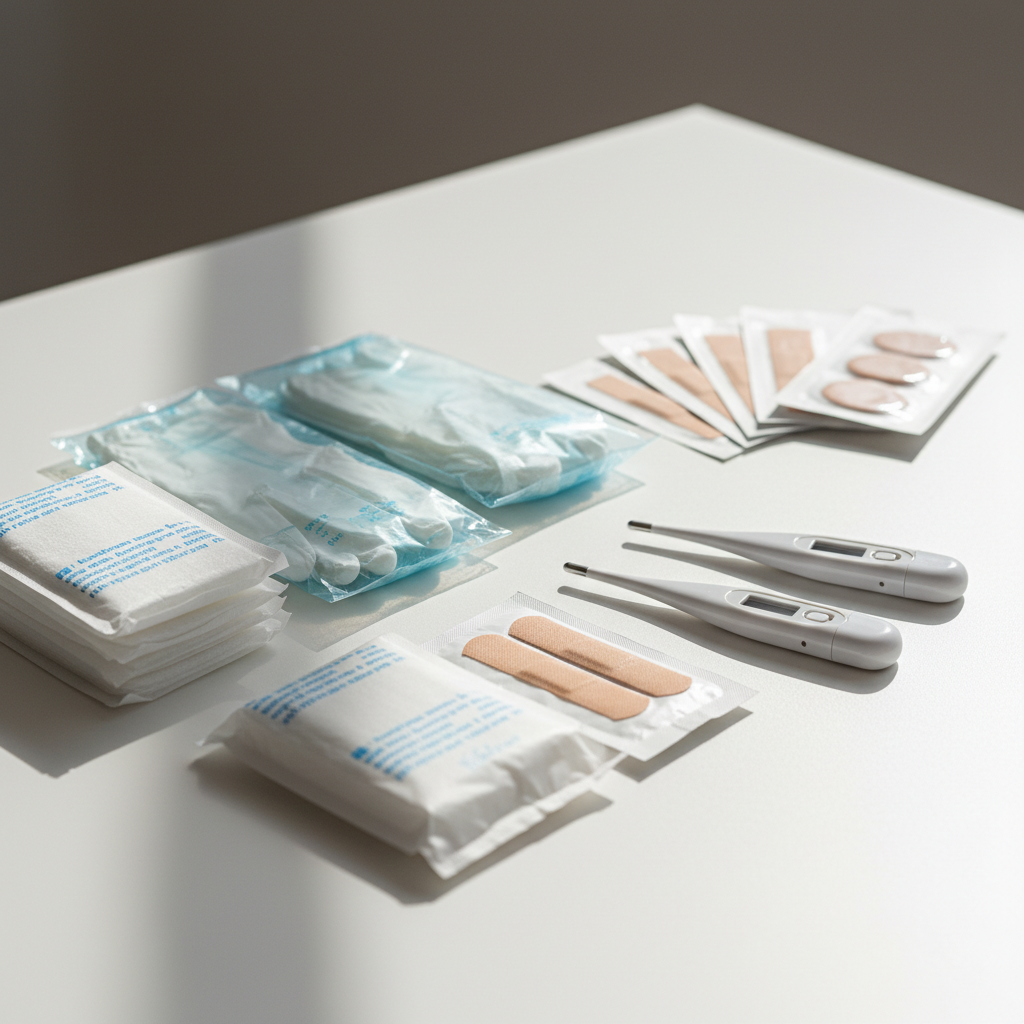
Having the right supplies on hand can make a significant difference in your recovery experience. Stock up on necessary medications, dressings, and any prescribed medical equipment. Additionally, consider preparing easy-to-eat, nutritious meals in advance to ensure proper nutrition.
Managing Pain and Discomfort
Pain management is a critical aspect of post-surgery recovery. Follow your healthcare provider's instructions regarding pain medication, and do not hesitate to ask for alternatives if you experience side effects. Non-pharmacological methods like ice packs, heat therapy, and relaxation techniques can also provide relief.
Monitoring Your Progress
Regularly monitor your symptoms and overall progress. Keep track of any changes in your condition, such as swelling or fever, and report these to your healthcare provider promptly. Attending follow-up appointments and staying in contact with medical professionals will help ensure a successful recovery.

Emotional and Mental Well-being
Recovery isn't just physical; emotional and mental health play a significant role in healing. Engage in activities that bring joy and relaxation, such as reading, listening to music, or practicing mindfulness. Staying connected with friends and family can provide emotional support and boost your mood.
Enlisting Help from Others
Don't hesitate to ask for help from family, friends, or professional caregivers. Having someone assist with daily tasks, transportation, or even companionship can alleviate stress and allow you to focus on getting better.
Returning to Normal Activities
Gradually reintroduce daily activities as your strength and stamina improve. Start with light tasks and gradually increase your activity level, always listening to your body to avoid setbacks. Consult with your healthcare provider before resuming any strenuous activities or work.
By following these guidelines and maintaining open communication with your healthcare team, you can navigate the post-surgery recovery process with confidence and ease. Remember that every recovery journey is unique, so be patient with yourself and celebrate each step forward.