
The Future of Eldercare: Emerging Trends in Technology and Home Care
Innovative Technologies Transforming Eldercare
The landscape of eldercare is rapidly evolving, thanks to the integration of groundbreaking technologies. As the global population ages, there's an increasing demand for more efficient and personalized care solutions. From smart home devices to wearable health tech, these innovations are reshaping how care is delivered.
One of the most significant advancements is the use of smart home systems designed specifically for seniors. These systems can monitor daily activities, detect falls, and even remind individuals to take their medications. Such technologies not only enhance safety but also promote independence, allowing seniors to remain in their homes longer.
Wearable Health Devices
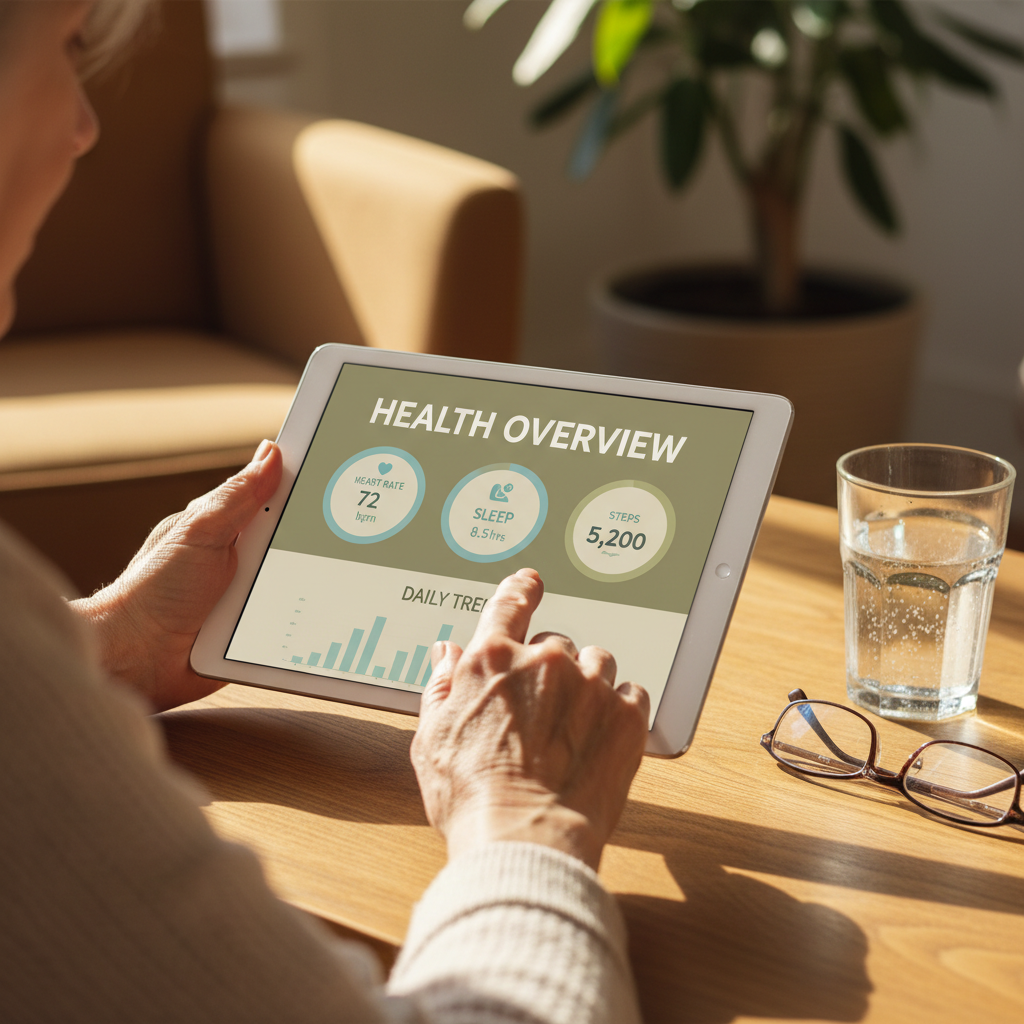
Wearable technology has become a vital tool in eldercare. Devices like smartwatches and fitness trackers now offer features that go beyond counting steps. They can monitor heart rates, track sleep patterns, and even alert healthcare providers in case of irregularities. This continuous monitoring helps in early detection of potential health issues, leading to timely interventions.

Moreover, these devices empower seniors to take charge of their own health. With real-time data at their fingertips, they can make informed decisions about their lifestyle and healthcare needs.
Telehealth and Virtual Care
Telehealth has grown exponentially, especially in recent years. It provides seniors with access to healthcare professionals without the need for in-person visits. This is particularly beneficial for those with mobility challenges or those living in remote areas. Video consultations, remote monitoring, and digital health records are making healthcare more accessible and personalized.
Virtual care platforms are also facilitating better communication between seniors, caregivers, and healthcare providers. This ensures a more coordinated approach to care, improving outcomes and satisfaction.

The Rise of Robotics in Home Care
Robotic technology is making significant strides in eldercare, offering assistance with tasks ranging from household chores to social engagement. Robots designed for seniors can help with cleaning, cooking, and even provide companionship. These robotic companions can play a crucial role in reducing loneliness and promoting mental well-being.
AI and Predictive Analytics
Artificial Intelligence (AI) is being increasingly used to predict health trends and personalize care plans for seniors. By analyzing data from various sources, AI can identify patterns and predict potential health risks. This allows caregivers to take proactive measures, potentially preventing hospitalizations and improving quality of life.

The integration of AI with other technologies is creating a more holistic approach to eldercare, ensuring that seniors receive the most appropriate and timely care.
Conclusion: A Promising Future
The future of eldercare is bright, with technology playing a pivotal role in enhancing care quality and accessibility. As these trends continue to evolve, they promise to deliver more personalized, efficient, and compassionate care solutions for our aging population. Embracing these innovations will not only transform eldercare but also enrich the lives of seniors worldwide.