
Technology in Eldercare Solutions: Innovations Shaping Adult Foster Homes
Technology is transforming various sectors, and eldercare is no exception. With the growing need for personalized and efficient care, adult foster homes are increasingly turning to innovative solutions to enhance the quality of life for their residents. From smart home devices to telehealth services, these advancements are reshaping how care is delivered.

Smart Home Devices
Smart home technology is making waves in adult foster homes, offering increased safety and convenience. Devices such as smart speakers, automated lighting, and advanced security systems allow for greater independence among residents while ensuring their safety. These systems can be programmed to remind residents to take medication or attend appointments, providing peace of mind to both caregivers and family members.
Moreover, motion sensors and fall detection systems are particularly beneficial. They can alert caregivers immediately if a resident falls or exhibits unusual movement patterns, allowing for rapid response and potentially preventing serious injuries.
Telehealth Services
Telehealth has become a vital tool in eldercare, especially in adult foster homes. This technology offers residents access to healthcare professionals without the need to travel, which is particularly beneficial for those with mobility issues. Through video consultations, residents can receive medical advice, routine checkups, and even mental health support.

Furthermore, telehealth services can facilitate communication between caregivers and healthcare providers, ensuring that everyone involved in a resident's care is on the same page. This collaboration can lead to more personalized care plans and improved health outcomes.
Wearable Health Technology
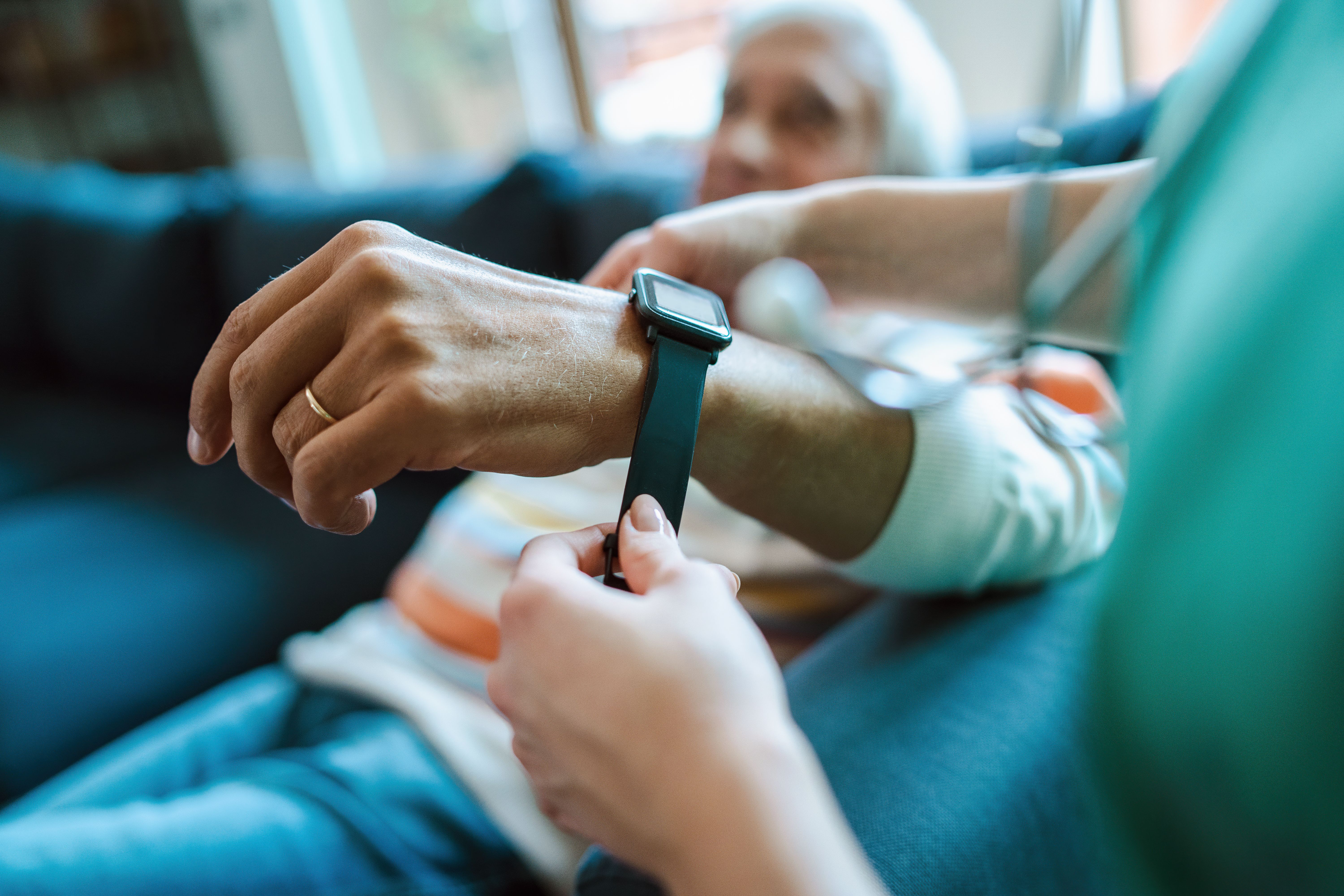
Wearable technology is another innovation making a significant impact. Devices such as smartwatches and fitness trackers can monitor vital signs like heart rate, blood pressure, and oxygen levels, providing continuous health data. This information can be used by caregivers to track the health status of residents and make informed decisions about their care.
These devices also encourage residents to stay active by tracking their physical activity and providing gentle reminders to move, which is crucial for maintaining physical health and overall well-being.
Robotic Assistance
Robotic technology is gradually finding its place in eldercare. Robots can assist with daily tasks such as cleaning, medication dispensing, and even companionship. These machines are designed to support caregivers by taking over routine tasks, allowing them to focus more on direct resident interaction and care.
Some advanced robots are also capable of providing cognitive stimulation through games and activities, which can be particularly beneficial for residents with dementia or other cognitive impairments.
Conclusion
As technology continues to evolve, the future of eldercare in adult foster homes looks promising. These innovations not only improve the quality of care but also enhance the independence and dignity of residents. By embracing these technological advancements, adult foster homes can offer a more supportive and enriching environment for their residents.