
Expert Tips for Winter Senior Care: Ensuring Safety and Comfort
Understanding the Challenges of Winter for Seniors
Winter can present unique challenges for seniors, affecting their health, mobility, and overall well-being. Cold temperatures, icy conditions, and shorter days can lead to increased risks. It's essential to address these concerns to ensure the safety and comfort of older adults.

Maintaining a Warm and Safe Environment
Keeping the home warm is crucial during the winter months. Ensure that heating systems are functioning efficiently and that rooms are well-insulated. It's advisable to keep the thermostat set to at least 68°F to prevent hypothermia.
Additionally, check for potential hazards such as slippery floors and uneven surfaces. Installing handrails and non-slip mats can significantly reduce the risk of falls.

Nutritional Needs in Cold Weather
Proper nutrition is vital for maintaining energy levels and immune function. Seniors should consume a balanced diet rich in vitamins and minerals. Including warm soups and stews can provide both comfort and nourishment.
Encourage hydration, as people often drink less water in colder weather. Herbal teas and warm water with lemon are excellent choices to stay hydrated.
Dressing for Warmth and Comfort
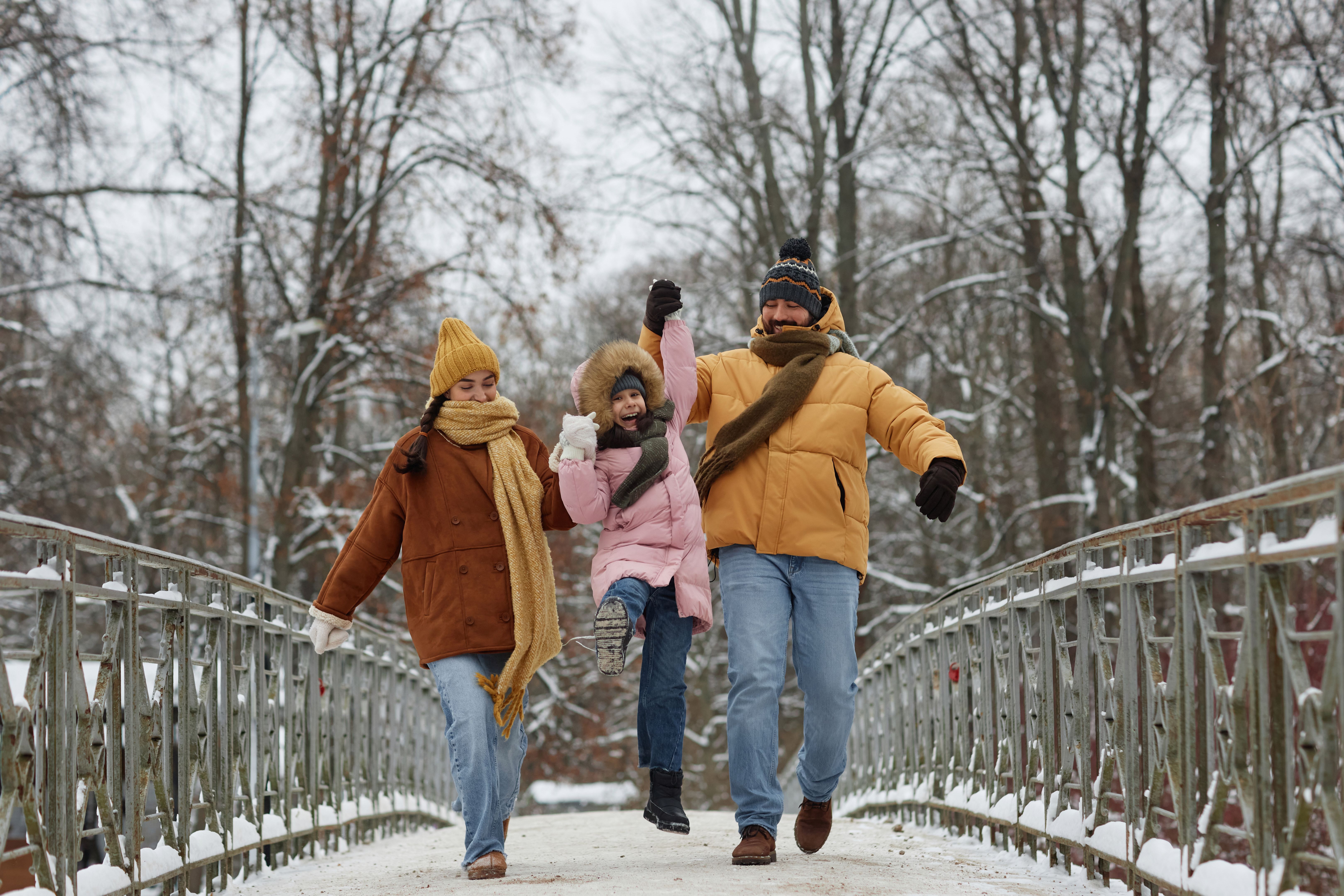
Layering clothing helps trap heat and allows for easy adjustment to changing temperatures. Wool and fleece materials are excellent for keeping warm. Ensure that seniors have access to cozy hats, gloves, and scarves when venturing outside.
Ensuring Regular Physical Activity
Staying active during winter is important for both physical and mental health. Indoor exercises, such as yoga or stretching routines, can help maintain mobility and strength. Encourage seniors to engage in simple activities like walking around the house or participating in community classes.
Monitoring Health and Wellness
Regular health check-ups are essential, especially during the winter months. Keep an eye on chronic conditions such as arthritis, which can be aggravated by cold weather. Ensure that medications are up-to-date and stored correctly.

Staying Connected and Engaged
Isolation can be a concern during winter, as bad weather may limit social interaction. Encourage regular communication with family and friends through phone calls or video chats. Engaging in hobbies and community activities can also help alleviate feelings of loneliness.
Preparing for Emergencies
Ensure that seniors have an emergency kit ready with essentials such as flashlights, batteries, medications, and non-perishable food items. Having a plan for power outages or severe weather conditions provides peace of mind and ensures safety.